
Mercedes-Benz
EQS SUV
Models
Review summary powered by Claude
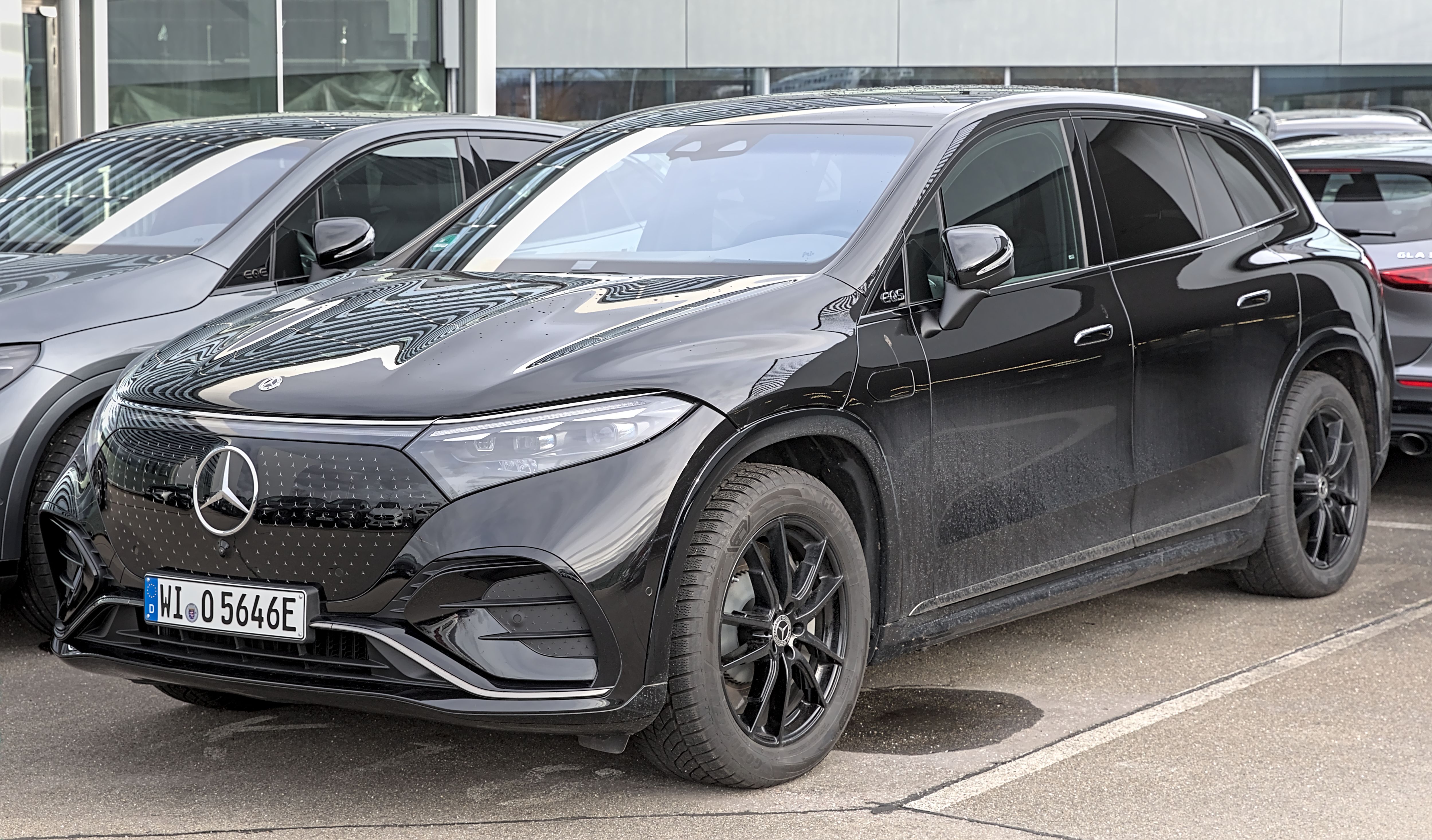
The Mercedes-Benz EQS SUV is a three-row luxury electric SUV positioned at the top of the full-size segment, competing with the BMW iX and Cadillac LYRIQ but offering genuine seven-passenger capacity. Built on Mercedes' dedicated EVA2 platform, it shares its underpinnings with the EQS sedan and prioritizes cabin refinement and technology over outright driving dynamics. Reviewers consistently single out the optional Hyperscreen dashboard and near-silent interior as class leaders, while noting that the driving experience skews toward comfort rather than engagement.
Strengths
- Exceptional interior quietness and build quality, frequently ranked among the most refined cabins in any SUV segment by Edmunds and Car and Driver
- Optional 56-inch MBUX Hyperscreen spans the full dashboard width and integrates three displays into a single glass panel, a feature with no direct equivalent in rival luxury EVs
- EQS 580 4MATIC reaches 0-60 in 4.5 seconds, competitive with performance-focused SUVs at its price point
- Genuine three-row, seven-passenger seating distinguishes it from EQS sedan and most luxury EV crossovers
- EQS 450+ base trim delivers 305 miles of EPA-rated range, the longest of any configuration and sufficient for most long-distance use cases
Considerations
- Curb weight exceeds 6,000 pounds in AWD trims, resulting in steering and handling that reviewers at MotorTrend and Car and Driver describe as numb and detached compared to ICE-powered S-Class SUV rivals
- AWD trims drop to 285 miles of EPA range, a meaningful reduction given the over-$108,000 starting price and the 300-plus-mile benchmarks set by competitors like the Rivian R1S
- Interior technology, while visually impressive, draws criticism for menu complexity and a learning curve that InsideEVs and consumer reviewers describe as steep even for experienced Mercedes owners
- Third-row space is limited for adult passengers despite the vehicle's overall size, a trade-off noted repeatedly in family-use comparisons