
Audi
e-tron GT
Models
Review summary powered by Claude
The Audi e-tron GT occupies a narrow but well-defined space in the EV market: a four-door grand tourer built on the Porsche Taycan platform that prioritizes driving refinement and interior craftsmanship over maximizing range. Reviewers at Car and Driver and MotorTrend consistently single out its exceptional build quality and the near-seamless blend of a sophisticated air suspension with genuinely engaging handling as its clearest differentiators from competitors. The lineup runs from the 670-hp S e-tron GT to the 912-hp RS performance, offering a tiered path to serious performance without abandoning everyday usability.
Strengths
- Shared Porsche Taycan architecture delivers class-leading ride and handling balance, with reviewers noting composed body control through corners unusual for a vehicle this size and weight
- Performance is substantial across all trims: the entry S e-tron GT reaches 0–60 in 3.3 seconds, while the RS e-tron GT performance hits 2.4 seconds with 912 hp on tap
- Interior quality is among the best in any EV, with real materials, tight panel fitment, and a driver-focused cockpit that Edmunds and MotorTrend reviewers compare favorably to Audi's own combustion flagship sedans
- 800-volt charging architecture supports fast DC replenishment, with peak rates around 270 kW reducing charging stops on longer trips
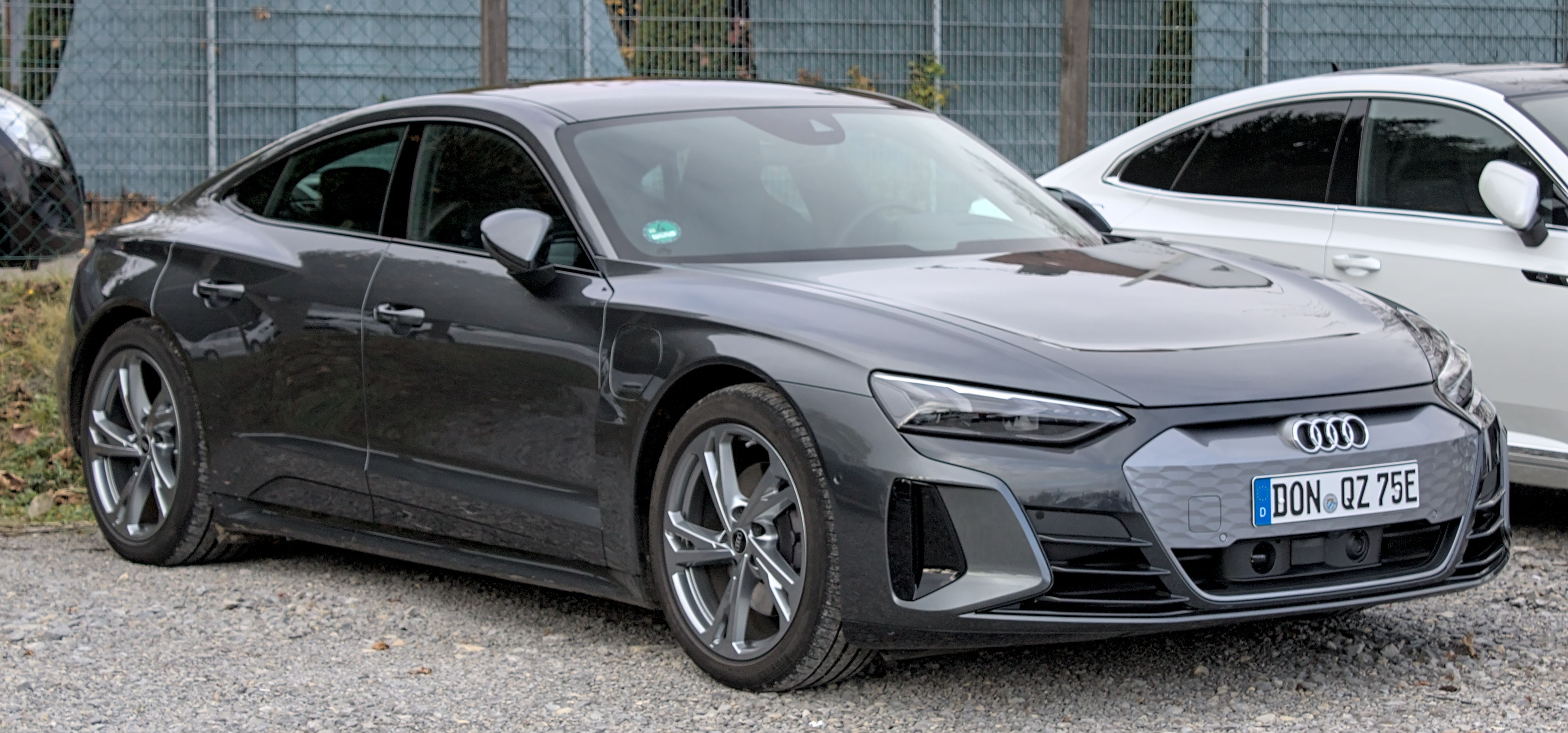
- Exterior styling has received near-universal praise for its low, sculpted fastback proportions that avoid the oversized or generic appearance critics level at several luxury EV competitors
Considerations
- EPA range figures are modest for the price tier: the S e-tron GT rates 278 miles, and the top RS performance drops to 230 miles, while rivals like the Mercedes EQS and BMW i7 offer substantially more range at comparable prices
- Rear headroom is limited by the fastback roofline, a recurring complaint in owner reviews and noted by Car and Driver testers for adults over six feet
- The infotainment system, while visually polished, relies on touch-sensitive controls that reviewers including InsideEVs note require more attention to operate than physical alternatives, and software responsiveness trails Tesla and Rivian benchmarks
- At $109,900 to $167,000, all three trims carry a significant price premium over the mechanically related Porsche Taycan, with buyers effectively paying for Audi branding rather than additional capability or range