
Dodge
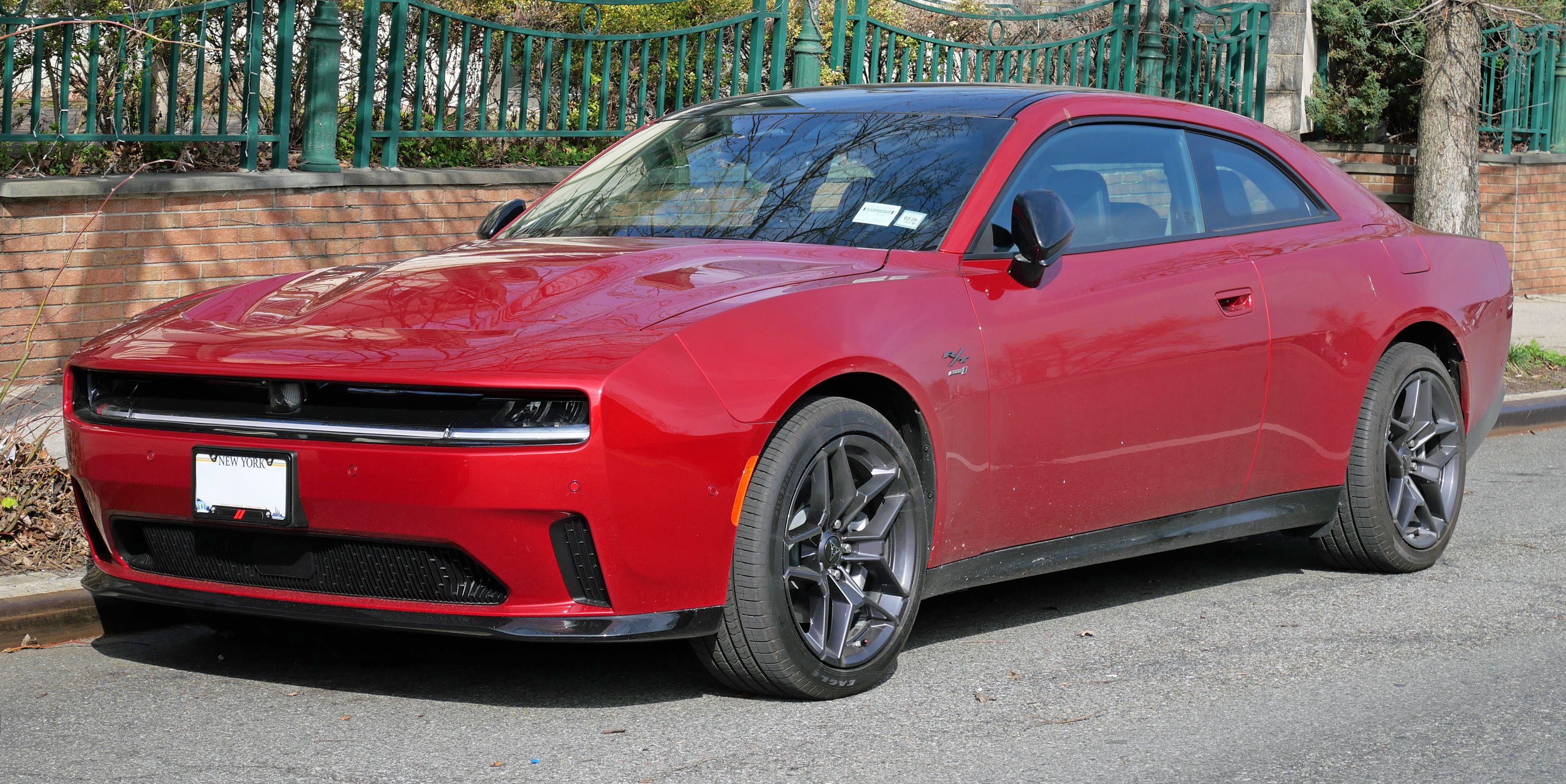
Charger Daytona EV
Models
Review summary powered by Claude
The Dodge Charger Daytona arrives as Stellantis's attempt to transplant muscle-car identity into an all-electric platform, targeting buyers who want performance credentials without abandoning the Charger nameplate. Built on the 800-volt STLA Large architecture, it offers two distinct personalities: the R/T at $59,995 balances range and usability, while the 670-hp Scat Pack chases straight-line dominance. Reviewers consistently highlight the synthetic exhaust sound system and aggressive styling as deliberate moves to retain traditional Dodge buyers, though reception to those choices has been polarizing.
Strengths
- Scat Pack delivers 0-60 in 3.3 seconds and 670 hp, placing it among the quickest muscle cars in any segment regardless of powertrain
- 800-volt architecture enables faster DC fast charging compared to most competing EVs on 400-volt platforms
- R/T offers 308 miles of EPA-rated range, competitive with rivals like the Mustang Mach-E and Kia EV6 at a similar price point
- Exterior design is broadly praised by reviewers at MotorTrend and Car and Driver as one of the more visually distinctive and cohesive EV bodies on the market
- Fratzonic Chambered Exhaust system provides driver-selectable interior and exterior sound, giving the car a tactile identity most EVs deliberately avoid
Considerations
- Scat Pack's EPA range drops to 241 miles, a significant reduction from the R/T's 308 miles given the $13,195 price premium for the higher trim
- Interior quality and infotainment execution have drawn criticism from Edmunds and Car and Driver reviewers as not fully matching the $60,000-plus price positioning
- DC fast charging speed, while benefiting from 800-volt architecture, has not matched the peak rates Hyundai and Kia achieve on the same voltage standard in real-world testing
- Synthetic sound system, though optional, has divided buyers and reviewers who see it as either an essential character trait or an unconvincing substitute for a combustion engine