
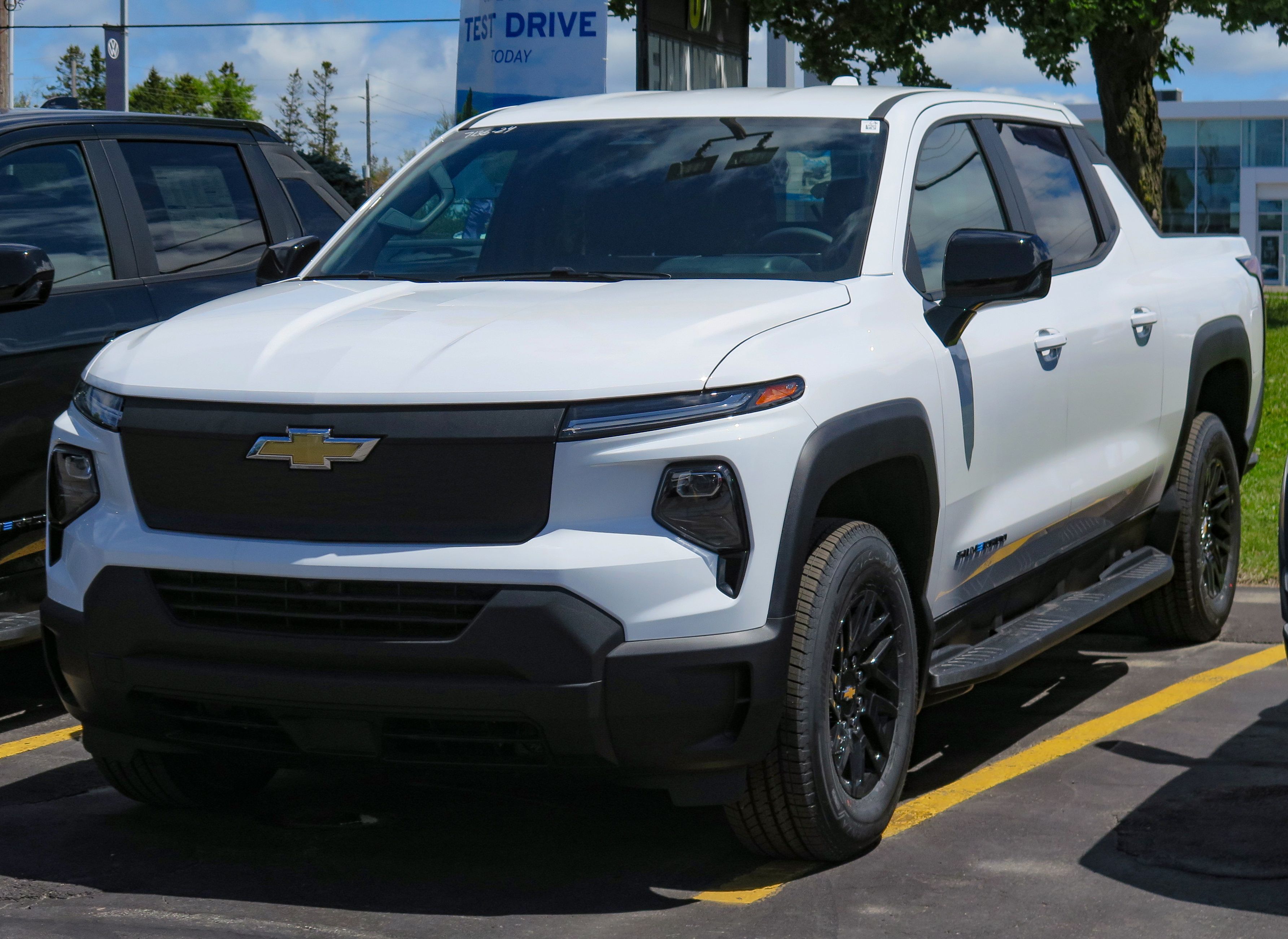
GMC
Sierra EV
$7,500 federal tax credit eligible
Models
Review summary powered by Claude
The GMC Sierra EV enters the full-size electric pickup segment as a direct rival to the Ford F-150 Lightning and Rivian R1T, built on GM's Ultium platform and positioned above its Chevy Silverado EV sibling in price and refinement. Reviewers highlight the Elevation Max Range's 460-mile EPA rating as a segment-leading figure that meaningfully addresses range anxiety for truck buyers, while the Denali Edition 1's interior finish drew favorable comparisons to luxury trucks. It targets buyers who want traditional truck capability without compromising on technology or range.
Strengths
- Elevation Max Range delivers 460 miles of EPA-rated range, the highest of any electric pickup currently on the market
- Denali Edition 1 interior quality, including Super Cruise hands-free driver assistance, received praise from MotorTrend and Car and Driver as genuinely premium rather than aspirational
- MultiPro Midgate and frunk storage system extends bed versatility beyond what most combustion Sierra configurations offer
- AT4 trim includes factory-tuned off-road suspension and underbody protection, giving it a credible off-road specification rather than a cosmetic package
- Up to 10,000 lb towing capacity cited by GMC, with DC fast charging at up to 350 kW reducing charge stops on towing trips
Considerations
- Entry Elevation Standard Range is EPA-rated at only 283 miles, a significant drop that may push most buyers toward the $86,895 Max Range trim to feel adequately equipped
- Pricing starts at $73,600 and climbs to nearly $100,000 for Denali Edition 1, placing it well above comparable combustion Sierra trims and some rivals like the F-150 Lightning
- Real-world towing range, as tested by outlets including InsideEVs, drops substantially under load, a limitation shared across the segment but pronounced given the truck's size
- GM's Ultium charging network reliability and availability lagged behind Tesla's Supercharger network at launch, adding uncertainty for long-distance travel planning