
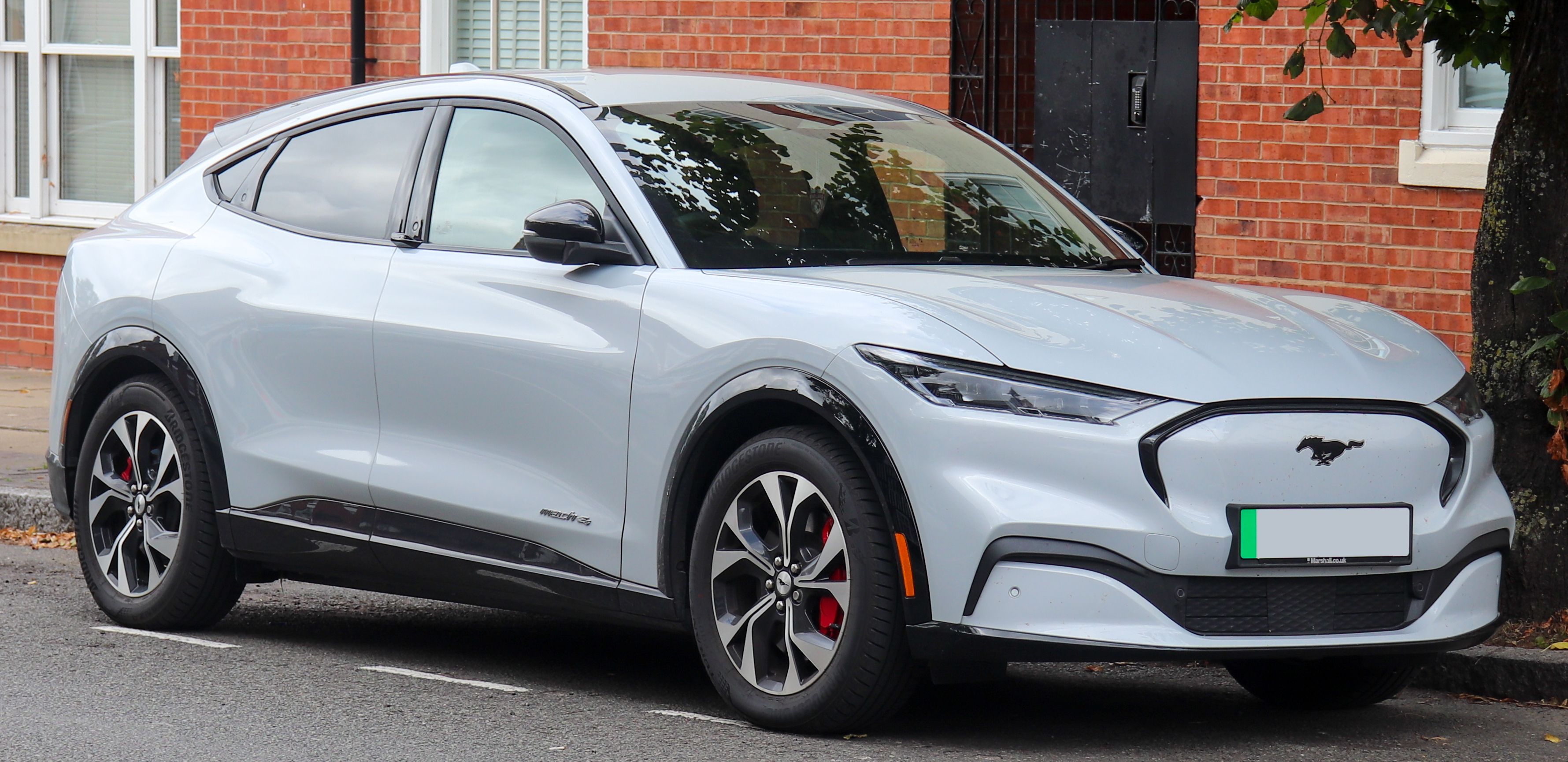
Ford
Mustang Mach-E
$7,500 federal tax credit eligible
Models
Review summary powered by Claude
The Ford Mustang Mach-E is a mid-size electric crossover that has carved out a credible position in the increasingly crowded non-Tesla segment since its 2021 debut. Reviewers at Car and Driver and MotorTrend consistently praise its driver-focused dynamics and genuinely satisfying steering feel — uncommon qualities in the segment. The GT variant's 3.8-second 0–60 time draws comparisons to performance-oriented ICE vehicles, while the Premium Extended Range RWD's 320-mile EPA rating stands as the lineup's efficiency high point. The Mach-E competes most directly with the Volkswagen ID.4 and Hyundai Ioniq 5, generally beating both on driving engagement.
Strengths
- Best-in-class driving dynamics for the segment: reviewers at Edmunds and Car and Driver consistently note precise, weighted steering and composed handling uncommon among electric crossovers
- GT and Rally trims deliver 480 hp and 0–60 times of 3.8s and 3.7s respectively at price points ($56,995–$59,995) below many performance EV rivals
- Premium Extended Range RWD achieves a 320-mile EPA range, one of the stronger figures in its price class at $49,995
- Interior features a large portrait-oriented SYNC 4A touchscreen with over-the-air update capability, which reviewers note has meaningfully improved software quality since launch
- Rear-seat and cargo space are well-regarded for the class, with a frunk adding usable front storage
Considerations
- The Mach-E nameplate remains controversial among Mustang enthusiasts and some reviewers; the crossover body style is seen as incongruent with the Mustang heritage regardless of performance credentials
- Adding AWD to the Select trim drops EPA range from 250 to 226 miles and adds $3,000, a steeper range penalty than some rivals impose for their AWD systems
- Early software and quality-control issues drew criticism from InsideEVs and owner forums, and while OTA updates have addressed many bugs, some buyers still report inconsistent HVAC and infotainment behavior
- DC fast-charging is capped at around 115 kW on most trims, which trails the 250 kW capability of competitors like the Hyundai Ioniq 5 and results in longer public charging stops