
Nissan
Ariya
Models
Review summary powered by Claude
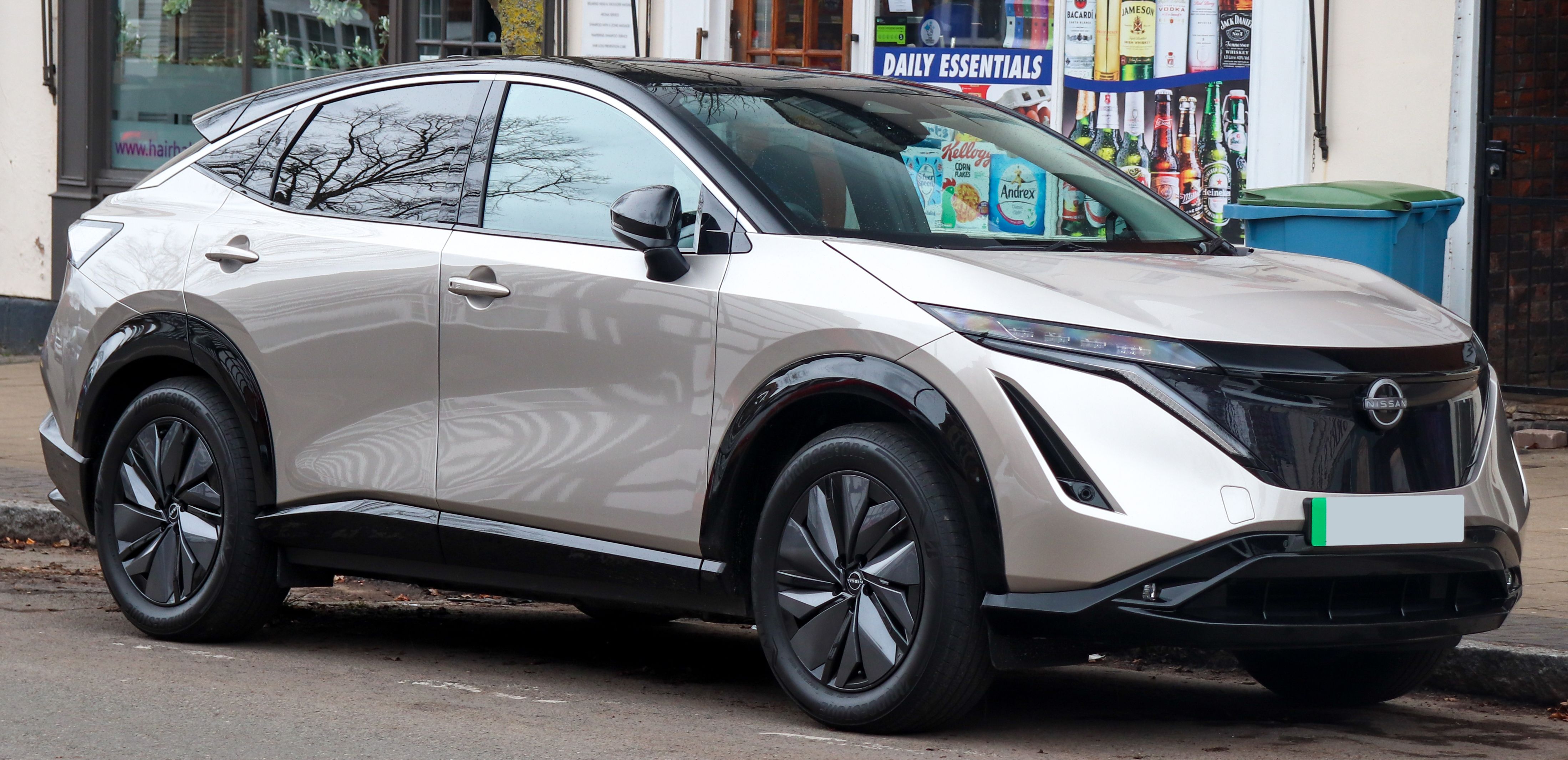
The Nissan Ariya arrives as the brand's flagship EV crossover, slotting into a competitive segment against the Ford Mustang Mach-E and Volkswagen ID.4. It draws on Nissan's EV heritage from the Leaf while offering a more premium experience with a distinctive minimalist interior. Reviewers consistently highlight the serene, well-appointed cabin as a genuine strength, and the dual-motor e-4ORCE variants earn praise for composed, confidence-inspiring all-wheel-drive dynamics. The lineup's wide price spread—from $39,590 to $55,990—covers a broad range of buyers, though some trims present notable range trade-offs.
Strengths
- Exceptionally refined interior with flush-mounted controls, a clean dual-screen layout, and premium materials that reviewers from Edmunds and MotorTrend rate above segment average
- Dual-motor e-4ORCE trims deliver 389 hp and a 0–60 mph time of 4.8 seconds, with reviewers noting particularly smooth, precise torque distribution between axles
- Engage+ single-motor trim offers the longest range in the lineup at 304 miles EPA, competitive with most rivals in its price class near $43,990
- Spacious, flat cabin floor enabled by the CMF-EV platform, providing generous rear-seat legroom that reviewers note rivals larger crossovers
- e-4ORCE AWD system earns specific praise from Car and Driver and InsideEVs for its stability in wet and low-traction conditions, going beyond simple torque splitting
Considerations
- Adding AWD costs meaningful range: the Evolve+ e-4ORCE drops to 272 miles and the Platinum+ e-4ORCE falls further to 257 miles compared to the Engage+'s 304-mile rating
- DC fast-charging is capped at 130 kW, which reviewers including InsideEVs flag as underwhelming against competitors like the Hyundai Ioniq 5 that support up to 800V/350 kW charging
- Software and over-the-air update capability lag behind competitors, with reviewers noting the infotainment interface feels less polished than Ford's Sync 4A or Hyundai's system
- Nissan's CHAdeMO-era charging network infrastructure and brand-specific dealer EV readiness drew criticism during early availability, with some buyers reporting inconsistent delivery timelines