
Polestar
Polestar 4
Models
Review summary powered by Claude
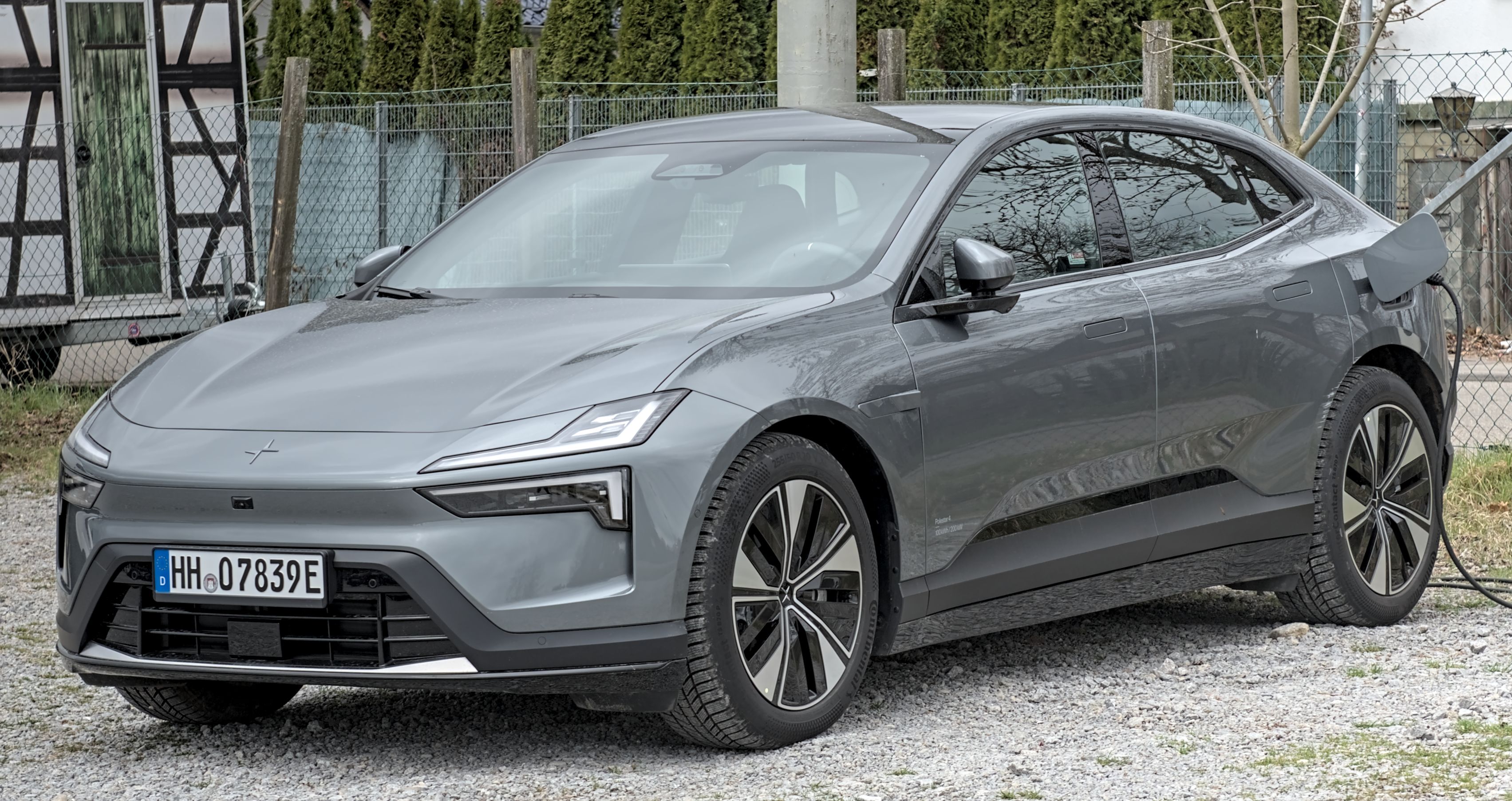
The Polestar 4 is a mid-size electric SUV coupe that slots above the Polestar 2 in the brand's lineup, targeting buyers cross-shopping the Audi Q4 e-tron, BMW iX, and Tesla Model Y Performance. Polestar positions it as a driver-focused alternative with Scandinavian interior minimalism and a polarizing rearward design choice: a fixed rear roof panel with no conventional back window. Reviewers from outlets like Car and Driver and InsideEVs have flagged both its strong dual-motor performance and the rear visibility compromise as the two traits that define the ownership conversation.
Strengths
- Dual Motor AWD produces 536 hp and a 3.7-second 0–60 mph time, competitive with the Porsche Macan Electric at a lower price point
- Single Motor RWD delivers a 300-mile EPA range, one of the longer real-world ranges in its class at the $56,300 entry price
- Interior quality draws consistent praise from Edmunds and MotorTrend for premium material choices and a clean, uncluttered cabin design more restrained than many rivals
- Google-based infotainment with a large central display earns positive marks for responsiveness and native navigation accuracy compared to in-house EV systems
- Rear-seat space is notably generous for a coupe-roofline SUV, with reviewers citing headroom that outperforms the similarly styled BMW X4 M50e
Considerations
- The elimination of a rear window in favor of a camera-based system draws widespread criticism from reviewers and owners who find the display a poor substitute for direct sightlines during parking and low-speed maneuvering
- Dual Motor AWD range drops to 270 miles EPA, a 30-mile penalty versus the single-motor trim that buyers cross-shopping the longer-range Model Y Performance will notice
- At $64,300 for the Dual Motor, the Polestar 4 competes directly with vehicles like the Hyundai IONIQ 6 AWD and Kia EV6 GT that offer more established dealer and service networks in North America
- Charging network access relies on third-party partnerships rather than a proprietary network, and real-world DC fast charging speeds have been reported by InsideEVs as adequate but not class-leading